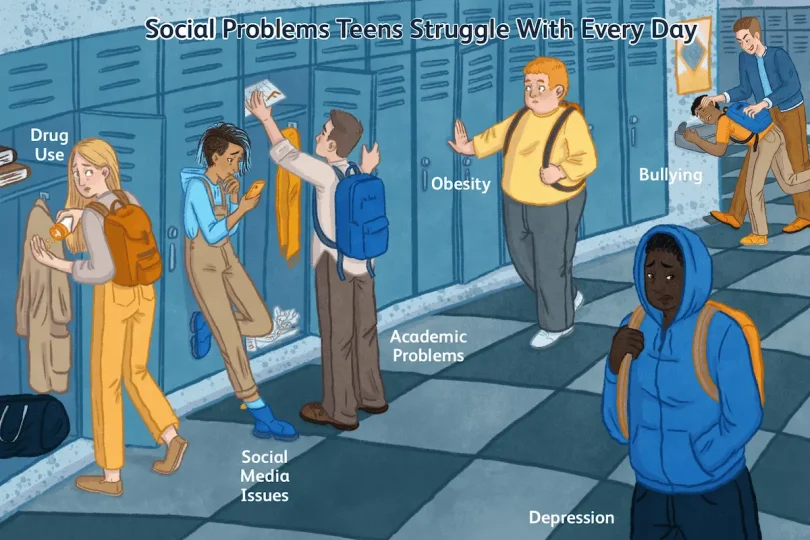

Everyday social issues are the persistent challenges that people encounter in their daily lives, often quietly shaping their experiences, opportunities, and well-being. These issues may not always make headlines, but they significantly influence how individuals live, work, interact, and feel within society.
From financial stress and mental health struggles to inequality and social isolation, everyday social issues reflect the realities of modern life and highlight the need for collective understanding and action.
Understanding Everyday Social Issues

Everyday social issues are problems rooted in social structures, cultural norms, economic conditions, and human behavior. They occur at personal, community, and institutional levels and affect people regardless of age, gender, or background—though their impact may vary.
These issues are often interconnected. For example, financial pressure can lead to mental health challenges, while social isolation can worsen emotional well-being. Understanding these connections is essential to addressing everyday social issues effectively.
Why Everyday Social Issues Deserve Attention
Everyday social issues deserve attention because they directly affect quality of life. When ignored, they can lead to long-term consequences such as increased inequality, poor health outcomes, reduced productivity, and weakened social trust. Addressing these issues promotes social stability, fairness, and emotional well-being.
Raising awareness helps reduce stigma, encourages empathy, and supports the development of practical solutions at both individual and societal levels.
Major Everyday Social Issues in Contemporary Society
Economic Stress and Financial Insecurity
Rising living costs, unemployment, underemployment, and job instability are among the most common everyday social issues. Many individuals struggle to meet basic needs such as housing, food, education, and healthcare. Financial stress affects mental health, family relationships, and long-term planning, creating a cycle that is difficult to break.
Mental Health and Emotional Well-Being
Mental health challenges such as anxiety, depression, stress, and burnout have become widespread everyday social issues. Academic pressure, workplace demands, social expectations, and digital overload contribute to emotional strain. Despite increased awareness, stigma still prevents many people from seeking help.
Inequality and Limited Opportunities
Social and economic inequality remains a significant everyday social issue. Differences in income, education, gender, and social background create unequal access to opportunities. These disparities limit social mobility and reinforce long-term disadvantages for marginalized groups.
Workplace Pressure and Work-Life Imbalance
Long working hours, job insecurity, lack of flexibility, and performance pressure are everyday social issues affecting employees across industries. Poor work-life balance leads to stress, reduced productivity, and dissatisfaction, impacting both personal and professional life.
Education Gaps and Skill Challenges
Access to quality education and skill development is not equal for everyone. Education-related everyday social issues affect career prospects, earning potential, and social mobility. Rapid technological change also creates skill gaps that leave many people behind.
Social Isolation and Loneliness
Despite increased digital connectivity, loneliness has become a major everyday social issue. Reduced face-to-face interaction, busy lifestyles, and weakened community ties contribute to social isolation, particularly among young adults and older populations.
Discrimination and Social Bias
Discrimination based on gender, ethnicity, religion, disability, or social status continues to affect daily life. These everyday social issues influence confidence, mental health, employment opportunities, and social inclusion.
Access to Healthcare and Essential Services
Limited access to healthcare, clean environments, safe housing, and reliable transportation remains an everyday social issue for many communities. These challenges affect physical health, productivity, and overall quality of life.
You may also like it:
Social Lifestyle News: Trends, Culture & Modern Living
Free Market Economy: Definition, Features & Advantages
Digital Innovation News 2025: AI, IoT, Blockchain & Trends
Impact of Everyday Social Issues on Society
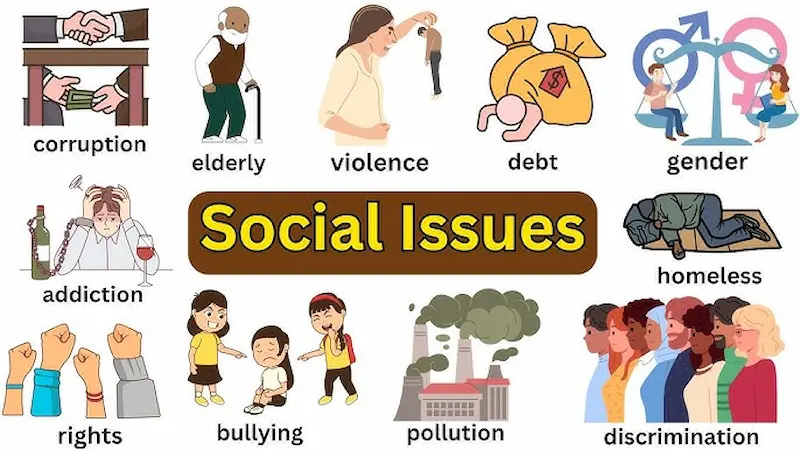
Everyday social issues collectively shape societal outcomes. They influence public health, economic productivity, education systems, and community stability. When left unresolved, they can lead to increased poverty, social unrest, and declining trust in institutions.
Conversely, addressing everyday social issues strengthens communities, improves well-being, and promotes social harmony.
Role of Individuals and Families
Individuals can address everyday social issues by promoting awareness, practicing empathy, and supporting one another. Open communication, mental health awareness, financial planning, and respectful social behavior can make a meaningful difference at a personal level.
Families play a critical role by providing emotional support, encouraging education, and fostering inclusive values.
Role of Communities and Organizations
Communities and local organizations help address everyday social issues through support networks, educational programs, volunteer initiatives, and advocacy. Community-driven solutions often have a strong impact because they are rooted in local needs and experiences.
Role of Governments and Policymakers
Governments address everyday social issues through public policies, social welfare programs, education reform, healthcare systems, and labor regulations. Effective solutions require inclusive policymaking, transparency, and collaboration with civil society.
Challenges in Solving Everyday Social Issues
Addressing everyday social issues is challenging due to limited resources, social stigma, lack of awareness, and resistance to change. Sustainable solutions require long-term commitment, cooperation, and continuous evaluation.
Future Outlook
As societies evolve, everyday social issues will continue to change in nature and intensity. Technological advancement, demographic shifts, and economic transformation will introduce new challenges. Proactive awareness, adaptability, and collective responsibility will be essential to navigate future social issues.
Conclusion
In conclusion, everyday social issues are deeply embedded in modern life, affecting individuals, families, and communities in visible and invisible ways. Economic stress, mental health challenges, inequality, social isolation, and access to services shape daily experiences and long-term outcomes. By understanding and addressing everyday social issues with empathy, awareness, and collective action, societies can improve quality of life, strengthen social bonds, and build a more equitable and compassionate future.
FAQs – Everyday Social Issues
1. What are everyday social issues?
Everyday social issues are common challenges people face daily, such as financial stress, mental health problems, inequality, and social isolation.
2. Why are everyday social issues important to address?
They directly affect quality of life, emotional well-being, productivity, and social harmony within communities.
3. What causes everyday social issues?
They are caused by economic pressures, social inequality, cultural norms, lack of resources, and changing lifestyles.
4. Who is affected by everyday social issues?
Individuals, families, workplaces, and communities are all affected, though the impact varies by background and circumstances.
5. How can everyday social issues be reduced?
Awareness, community support, inclusive policies, education, and access to essential services help reduce these issues.