
A market economy analysis helps explain how goods, services, prices, and investments move within an economy driven by supply and demand. In today’s fast-changing global environment, understanding market behavior is essential for businesses, investors, policymakers, and consumers. From inflation and employment to innovation and trade, market economies continuously evolve based on economic signals and human behavior.
This article provides a comprehensive market economy analysis, exploring its core principles, current trends, influencing factors, benefits, challenges, and future outlook.
What Is a Market Economy?

A market economy is an economic system where decisions about production, pricing, and distribution are largely determined by supply and demand rather than government control. Businesses respond to consumer needs, and prices adjust based on market competition.
In a market economy:
- Consumers influence what is produced
- Businesses compete freely
- Prices reflect scarcity and demand
- Innovation is encouraged
A strong market economy analysis focuses on how these elements interact to shape economic performance.
Key Components of Market Economy Analysis
1. Supply and Demand Dynamics
Supply and demand are the foundation of any market economy. When demand increases and supply remains limited, prices rise. When supply exceeds demand, prices fall. Analyzing these patterns helps predict market behavior and price trends.
2. Price Mechanism
Prices act as signals in a market economy. They guide producers on what to make and consumers on what to buy. A detailed market economy analysis evaluates how price changes affect purchasing power, production costs, and profitability.
3. Competition and Innovation
Competition drives efficiency and innovation. Businesses must improve quality, reduce costs, and adopt new technologies to survive. Market analysis often focuses on competitive intensity and its impact on economic growth.
4. Consumer Behavior
Consumer preferences, income levels, and confidence significantly influence markets. Shifts in lifestyle, digital adoption, and spending habits play a major role in modern market economy analysis.
You may also like it:
Social Lifestyle News: Trends, Culture & Modern Living
Free Market Economy: Definition, Features & Advantages
Digital Innovation News 2025: AI, IoT, Blockchain & Trends
Current Economic Market Trends
A modern market economy analysis must consider current global and regional trends, including:
Inflation and Interest Rates
Rising inflation affects purchasing power, while interest rates influence borrowing and investment. Central bank policies have a direct impact on market activity and consumer spending.
Digital Transformation
Technology-driven markets are reshaping traditional industries. E-commerce, fintech, automation, and AI are changing how businesses operate and compete.
Global Trade Shifts
Trade policies, supply chain disruptions, and geopolitical tensions affect market stability. Analyzing imports, exports, and trade agreements is essential for understanding market movements.
Labor Market Changes
Remote work, skill-based hiring, and workforce automation are redefining employment patterns. Labor supply and wage trends are key factors in market economy analysis.
Benefits of a Market Economy
A well-functioning market economy offers several advantages:
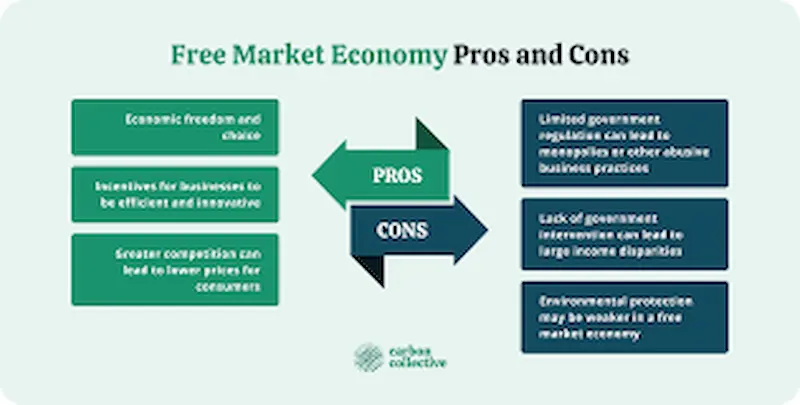
- Efficient resource allocation
- Greater consumer choice
- Encouragement of entrepreneurship
- Continuous innovation
- Faster economic growth
Through proper market economy analysis, stakeholders can identify opportunities and manage risks more effectively.
Challenges in Market Economies
Despite its benefits, market economies face several challenges:
- Income inequality
- Market monopolies
- Economic cycles and recessions
- Environmental concerns
- Limited access to essential services
A balanced market economy analysis considers both strengths and weaknesses to provide realistic insights.
Role of Government in a Market Economy
Although market economies rely on minimal intervention, governments still play a role by:
- Regulating monopolies
- Ensuring fair competition
- Providing public goods
- Stabilizing the economy during crises
Government actions are an important variable in any market economy analysis.
Future Outlook of Market Economies
The future of market economies will likely be shaped by:
- Sustainable and green growth
- Technological innovation
- Data-driven decision-making
- Changing consumer expectations
- Global economic integration
A forward-looking market economy analysis helps businesses and investors adapt to emerging trends and uncertainties.
Conclusion
A thorough market economy analysis is essential for understanding how modern economies function and evolve. By examining supply and demand, pricing, competition, consumer behavior, and global trends, we gain valuable insights into economic performance and future growth. As markets continue to change, informed analysis remains the key to smarter decisions and sustainable success.
Frequently Asked Questions (FAQs)
What is the purpose of market economy analysis?
The purpose of market economy analysis is to evaluate how supply, demand, pricing, and competition affect economic performance and growth.
Who benefits from market economy analysis?
Governments, investors, businesses, and researchers benefit by making informed decisions and predicting economic trends.
How does market economy analysis help businesses?
It helps businesses understand consumer demand, pricing strategies, competition, and potential risks in the market.
Is a market economy better than a planned economy?
A market economy offers flexibility and innovation, while a planned economy provides stability. Market economy analysis helps compare their strengths and weaknesses.
What factors influence market economy analysis?
Key factors include consumer behavior, supply and demand, government policies, global trade, and technological advancements.