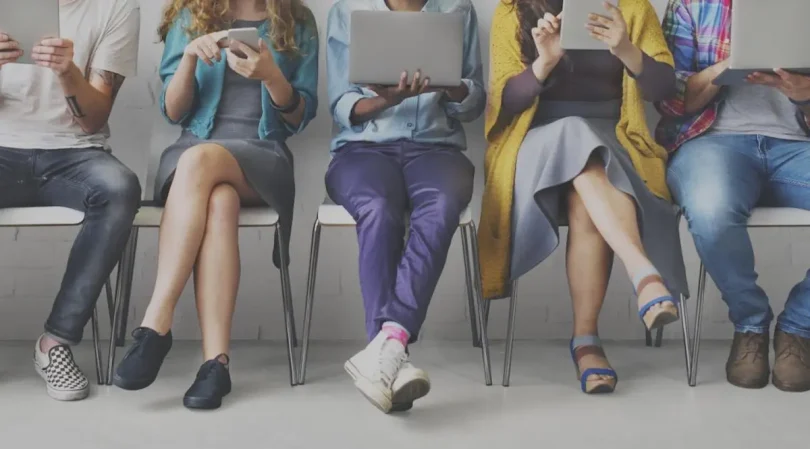

In today’s fast-changing world, modern social life trends reveal how deeply technology, culture, and changing mindsets are influencing human behavior. Social life is no longer limited to physical spaces like homes, workplaces, or community gatherings. Instead, it extends into digital platforms, virtual communities, and global conversations. These changes are reshaping relationships, communication styles, values, and even personal identity.
Understanding modern social life trends helps us adapt to social changes while maintaining meaningful human connections.
The Digital Transformation of Social Interaction
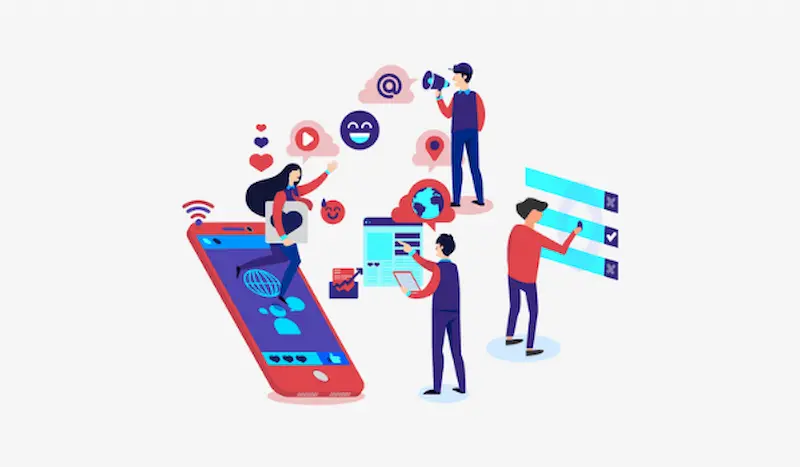
One of the most defining modern social life trends is the digitalization of communication. Smartphones, social media, and messaging apps have become central tools for interaction. People now connect instantly across cities, countries, and continents.
Video calls replace in-person meetings, online chats replace long conversations, and social platforms act as social gathering spaces. While this transformation saves time and increases accessibility, it also reduces physical interaction, making digital presence a major factor in social bonding.
Social Media as a Social Identity Builder
Social media has become more than a communication tool—it is now a platform for identity creation. A major part of modern social life trends is how individuals shape their public image online. Profiles, posts, and stories reflect personal values, achievements, and lifestyles.
Likes, shares, and comments often act as social validation, influencing confidence and self-worth. While social media allows creativity and self-expression, it can also create pressure to meet unrealistic standards, leading to anxiety and comparison culture.
Evolving Friendship Patterns
Friendships in modern society are more fluid and diverse. One important aspect of modern social life trends is the shift from long-term, deeply rooted friendships to flexible, interest-based connections. Online gaming communities, professional networks, and social groups based on hobbies are increasingly common.
Although people now have access to wider social circles, maintaining emotional depth in relationships has become more challenging due to busy schedules and digital distractions.
Changing Family and Relationship Structures
Traditional family and relationship models are evolving. Modern social life trends show increasing acceptance of delayed marriages, independent living, and non-traditional relationships. People prioritize compatibility, emotional well-being, and personal growth over social pressure.
Long-distance relationships, virtual dating, and online matchmaking platforms have become common, offering more choices but also creating complexities in emotional commitment.
Mental Health and Emotional Awareness
Mental health awareness is one of the most positive modern social life trends. Society is now more open to discussing stress, depression, anxiety, and emotional challenges. Seeking therapy and practicing self-care are no longer seen as weaknesses.
Social interactions now emphasize emotional boundaries, respect, and empathy. People are learning to value mental peace and healthy communication over toxic relationships.
Work-Life Balance Redefining Social Life

Work culture has significantly influenced modern social life trends. Remote work, freelancing, and flexible schedules have changed how people socialize. Offices are no longer the main social hubs they once were.
People now prefer meaningful social interactions over constant networking. Quality time with family, friends, and oneself has become more important than attending frequent social events.
Individualism and Personal Freedom
Modern society strongly supports individuality. One of the strongest modern social life trends is the focus on self-expression, personal goals, and independence. People are more comfortable expressing their beliefs, fashion choices, and lifestyles without fear of judgment.
However, this emphasis on independence can sometimes lead to emotional distance, making it essential to balance personal freedom with social responsibility.
Cultural Diversity and Global Connectivity
Globalization has increased cultural exchange and awareness. Modern social life trends reflect greater acceptance of diversity, inclusion, and multiculturalism. Social platforms expose people to different traditions, opinions, and social norms.
This exposure encourages empathy and understanding but also requires respectful communication to avoid misunderstandings and cultural conflicts.
Technology’s Role in Future Social Life
Technology will continue to shape modern social life trends. Artificial intelligence, virtual reality, and online communities are expected to further change how people interact. Virtual social spaces may become as important as physical ones.
Despite these advancements, human emotions, trust, and genuine connection will remain essential to a healthy social life.
You may also like it:
Urban Social Life: Culture, Community, and City Living
Social Lifestyle News: Trends, Culture & Modern Living
Free Market Economy: Definition, Features & Advantages
Challenges Within Modern Social Life Trends
While modern social life trends offer convenience and freedom, they also bring challenges:
- Increased loneliness despite constant connectivity
- Reduced attention spans and deep communication
- Social pressure from online comparison
- Difficulty maintaining long-term relationships
Addressing these challenges requires mindful social habits and conscious efforts to stay emotionally connected.
Conclusion
In conclusion, modern social life trends reflect a society that is rapidly adapting to technological growth, cultural diversity, and changing values. Social interactions are becoming more flexible, inclusive, and digital, yet the human need for genuine connection remains unchanged. By understanding and adapting to these trends, individuals can build balanced, meaningful, and emotionally healthy social lives in the modern world.
FAQs on Modern Social Life Trends
What are modern social life trends?
Modern social life trends refer to the changing patterns of how people communicate, build relationships, and interact in society. These trends are influenced by technology, social media, cultural shifts, and evolving personal values.
How has technology changed modern social life trends?
Technology has transformed modern social life trends by enabling instant communication, online communities, and digital relationships. Social media, messaging apps, and video calls allow people to stay connected anytime, anywhere.
Why is social media important in modern social life trends?
Social media plays a major role in modern social life trends by shaping identity, opinions, and lifestyle choices. It helps people share experiences, build networks, and express themselves, though it can also create social pressure and comparison.
How do modern social life trends affect relationships?
Modern social life trends have changed relationships by increasing online dating, long-distance connections, and flexible relationship structures. People now prioritize emotional compatibility, mental well-being, and personal freedom.