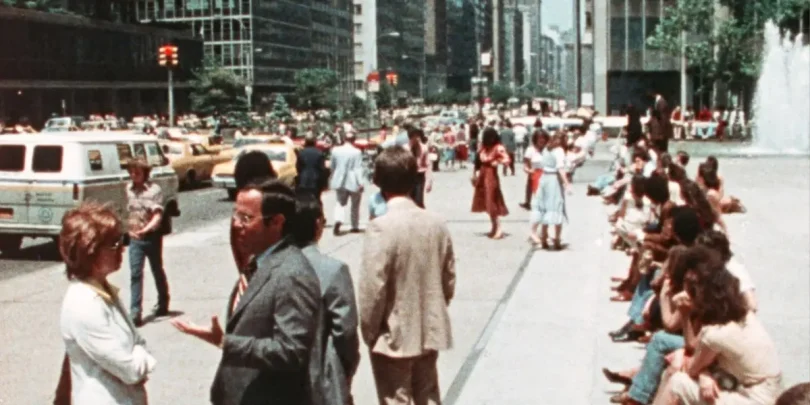

Urban social life represents the complex web of relationships, behaviors, cultural expressions, and daily interactions that take place within cities. As urbanization accelerates across the globe, cities have become the primary spaces where social life unfolds. Today, more than half of the world’s population lives in urban areas, making urban social life one of the most influential forces shaping modern society.
Cities are not just centers of economic activity; they are living social ecosystems where people from diverse backgrounds coexist, interact, and adapt. Urban social life reflects opportunity, diversity, innovation, and cultural exchange, but it also reveals challenges such as inequality, isolation, stress, and social fragmentation. Understanding urban social life helps us better comprehend how modern societies function and how cities can become more inclusive, livable, and humane.
Understanding Urban Social Life
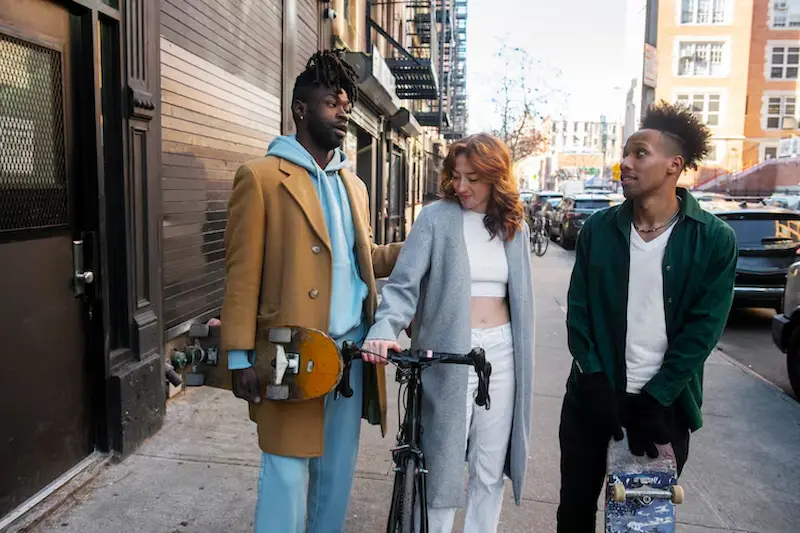
Urban social life refers to the everyday social experiences of individuals living in cities. It includes how people communicate, build relationships, participate in community activities, express cultural identities, and navigate shared spaces. Unlike rural or small-town settings, urban environments are characterized by high population density, diversity, fast-paced lifestyles, and constant social change.
Urban social life is shaped by physical infrastructure, economic conditions, cultural diversity, technology, governance, and social norms. The city itself acts as a powerful social organizer, influencing behavior, values, and interactions.
Historical Evolution of Urban Social Life
Historically, cities emerged as centers of trade, governance, and culture. Early urban social life revolved around marketplaces, religious institutions, and communal spaces. Over time, industrialization transformed cities into hubs of labor and migration, dramatically altering social structures.
The industrial city introduced new social classes, work patterns, and living conditions. While it created opportunities, it also led to overcrowding, poor housing, and social inequality. In the modern era, urban social life has been further reshaped by globalization, digital communication, and rapid technological advancement.
Diversity and Multiculturalism in Urban Life
One of the defining features of urban social life is diversity. Cities bring together people of different ethnicities, religions, languages, and cultural traditions. This multicultural environment encourages tolerance, creativity, and innovation.
Urban social life thrives on cultural exchange. Food, music, fashion, art, and festivals from different cultures coexist and influence one another. This diversity enriches daily life and broadens social perspectives. However, it also requires social understanding, inclusion, and respect to prevent tension and discrimination.
Social Interaction and Public Spaces
Public spaces are central to urban social life. Parks, streets, cafes, markets, libraries, and transportation hubs provide opportunities for interaction among strangers and neighbors alike. These spaces support informal social encounters that build trust and social cohesion.
Well-designed public spaces promote inclusion, safety, and community engagement. Conversely, poorly planned or inaccessible spaces can limit interaction and reinforce social divisions. Urban social life depends heavily on how cities prioritize and design shared environments.
Work, Economy, and Social Relationships
Work plays a significant role in shaping urban social life. Cities offer employment opportunities, career advancement, and professional networks. However, long working hours, commuting stress, and job competition often reduce time for social interaction and family life.
Economic inequality is a major factor influencing urban social life. Wealth disparities affect access to housing, education, healthcare, and leisure activities. These inequalities can lead to social segregation, where different groups live and socialize in separate spaces, weakening overall social cohesion.
You may also like it:
Social Lifestyle News: Trends, Culture & Modern Living
Free Market Economy: Definition, Features & Advantages
Digital Innovation News 2025: AI, IoT, Blockchain & Trends
Technology and Digital Urban Life
Technology has transformed urban social life in profound ways. Smartphones, social media, and digital platforms allow people to stay connected despite busy schedules and physical distances. Online communities, dating apps, and digital workspaces have become integral parts of urban living.
While technology enhances communication, it also presents challenges. Excessive screen time can reduce face-to-face interaction and increase feelings of isolation. In crowded cities, people may feel socially disconnected despite being constantly surrounded by others.
Community and Neighborhood Dynamics
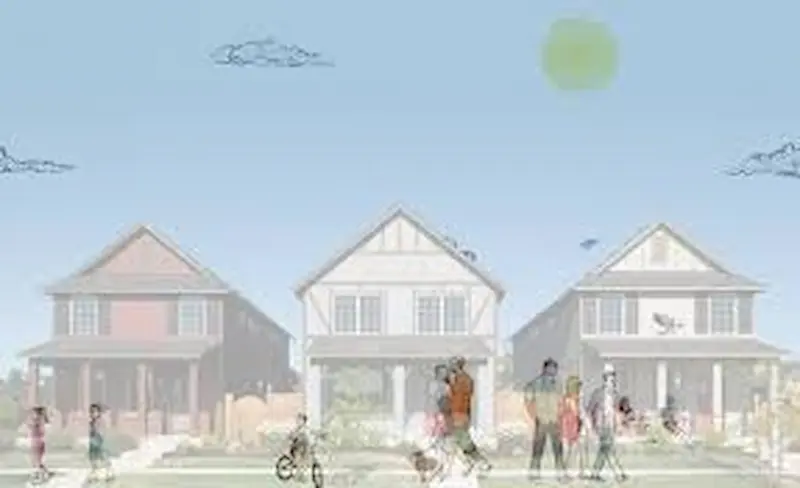
Despite the fast pace of city life, local communities remain vital to urban social life. Neighborhood relationships provide emotional support, security, and a sense of belonging. Community centers, local businesses, schools, and religious institutions play key roles in strengthening social bonds.
Urban social life improves when residents actively participate in neighborhood activities, volunteer programs, and local decision-making. Strong community ties can counteract anonymity and loneliness often associated with city living.
Social Challenges in Urban Environments
Urban social life faces numerous challenges. Housing shortages, rising living costs, and homelessness affect millions of city residents. These issues create social stress and deepen inequality.
Crime, pollution, noise, and overcrowding also impact daily social experiences. Safety concerns can limit social interaction, especially in public spaces. Environmental stressors contribute to physical and mental health problems, affecting overall quality of urban social life.
Mental Health and Emotional Well-Being
Mental health is a critical aspect of urban social life. The pressures of city living—financial stress, competition, social comparison, and limited personal space—can lead to anxiety, depression, and burnout.
At the same time, cities often provide better access to mental health services, social support groups, and recreational opportunities. Urban social life can either harm or support mental well-being depending on social connections, environment, and access to resources.
Inequality and Social Exclusion
Social inequality is deeply embedded in urban social life. Marginalized groups often face discrimination, limited opportunities, and restricted access to services. These inequalities affect education, employment, housing, and healthcare outcomes.
Inclusive urban social life requires policies and practices that promote equality, accessibility, and social justice. Addressing systemic barriers helps create cities where everyone can participate fully in social life.
Role of Urban Planning and Policy
Urban planning plays a decisive role in shaping urban social life. Walkable neighborhoods, affordable housing, public transportation, and green spaces encourage interaction and inclusion.
Policies that prioritize people over vehicles, support mixed-income communities, and invest in social infrastructure strengthen urban social life. Thoughtful planning can reduce segregation, improve safety, and enhance social well-being.
Civic Engagement and Participation
Urban social life is strengthened by civic engagement. Voting, public forums, community meetings, and activism allow residents to influence decisions affecting their lives. Active participation fosters a sense of ownership and responsibility toward the city.
Cities with strong civic cultures tend to have higher trust, cooperation, and social resilience. Encouraging participation is essential for healthy urban social life.
Globalization and Urban Identity
Globalization has reshaped urban social life by connecting cities across borders. International migration, global businesses, and cultural exchange influence local identities. Cities become global nodes while maintaining unique local character.
Urban social life balances global influences with local traditions. This dynamic interaction shapes how residents perceive themselves and their communities.
Future of Urban Social Life
The future of urban social life will depend on how cities respond to population growth, climate change, technological innovation, and social inequality. Smart cities, sustainable development, and inclusive design offer opportunities to improve social interaction and quality of life.
Post-pandemic realities have also reshaped urban social life, emphasizing the importance of health, flexibility, and community support. Cities that adapt to these changes will foster stronger social connections.
Conclusion
In conclusion, urban social life is a complex and evolving phenomenon that defines modern living. Cities are spaces of opportunity, diversity, creativity, and connection, but they also present social challenges that require attention and action.
Urban social life is shaped by environment, economy, technology, culture, and policy. By promoting inclusion, community engagement, equitable development, and thoughtful urban planning, societies can enhance urban social life and create cities that support human well-being, dignity, and connection.
Understanding urban social life is essential for building cities that are not only economically successful but also socially vibrant and emotionally supportive.
FAQs – Urban Social Life
1. What is urban social life?
Urban social life refers to social interactions, relationships, culture, and daily experiences of people living in cities.
2. Why is urban social life important?
It shapes community connections, cultural diversity, mental well-being, and overall quality of life in urban areas.
3. What factors influence urban social life?
Population density, diversity, technology, work culture, public spaces, and urban planning all influence urban social life.
4. What challenges affect urban social life?
Common challenges include social isolation, inequality, high living costs, work pressure, and limited community interaction.
5. How can urban social life be improved?
Inclusive planning, community programs, green spaces, affordable housing, and social engagement strengthen urban social life.