In today’s rapidly evolving global landscape, world politics analysis is more important than ever. Understanding international relations, political strategies, and global decision-making is crucial for governments, businesses, academics, and citizens alike.
Political developments in one region often have ripple effects worldwide, influencing trade, security, diplomacy, and public policy.
Through world politics analysis, we can understand not only what happens on the international stage but also why it happens and what it means for the future.
What Is World Politics Analysis?

World politics analysis is the study and interpretation of political events, power structures, and decision-making processes across the globe. It examines how nations exercise influence, negotiate policies, build alliances, and manage conflicts.
This type of analysis goes beyond simple news reporting. It investigates the motivations of political leaders, the dynamics of international organizations, and the strategies countries use to protect national interests. By interpreting global trends, world politics analysis helps predict future developments and understand the consequences of policy decisions.
Importance of World Politics Analysis
The world is interconnected. Decisions made by one government can affect economies, security, and societies in other regions. For instance, a trade agreement between two countries can impact global markets, while a military conflict in one region may influence security policies worldwide.
World politics analysis allows policymakers to make informed decisions, businesses to assess risks in international markets, and individuals to understand the forces shaping their lives. It also promotes global awareness and helps citizens evaluate information critically, reducing the risk of misinformation.
Global Power Structures and Influence
Understanding the distribution of power is central to world politics analysis. The world is shaped by both major powers—such as the United States, China, and the European Union—and emerging regional powers like India, Brazil, and Nigeria.
These powers compete for influence through:
- Diplomacy: Negotiating alliances and treaties to strengthen political relationships.
- Economic leverage: Using trade, sanctions, and aid to influence other countries.
- Military capabilities: Maintaining security and deterrence through defense and alliances.
- Soft power: Shaping global culture and opinion through media, education, and humanitarian initiatives.
World politics analysis examines how shifts in power affect international stability and global policy. For example, the rise of China as a global economic and military power has influenced trade negotiations, territorial disputes, and international alliances.
You may also like it:
Urban Social Life: Culture, Community, and City Living
Social Lifestyle News: Trends, Culture & Modern Living
Free Market Economy: Definition, Features & Advantages
Digital Innovation News 2025: AI, IoT, Blockchain & Trends
Diplomacy and Foreign Policy
Diplomatic strategies are a cornerstone of world politics analysis. Countries engage in bilateral (two-country) and multilateral (many-country) negotiations to advance their interests. Diplomatic actions include:
- Signing trade agreements
- Resolving border disputes
- Coordinating climate change initiatives
- Managing global health crises
Foreign policy decisions reveal national priorities, ideological orientations, and strategic planning. For instance, the U.S. foreign policy shift toward Asia in the last decade reflects concerns over regional security and economic competition. World politics analysis interprets these policies and their potential global consequences.
Conflicts, Security, and Military Strategy
Security is a central focus in world politics analysis. Conflicts—whether wars, territorial disputes, or insurgencies—affect millions of people and can destabilize regions. Analysts study:
- Causes of conflicts, including historical, economic, and cultural factors
- Military alliances, such as NATO and regional defense pacts
- Peacekeeping missions and conflict resolution efforts
- Emerging security threats like cyber attacks and terrorism
By understanding the causes and dynamics of conflicts, world politics analysis provides insights into regional and global stability. For example, ongoing tensions in the Middle East have far-reaching implications for energy markets, refugee flows, and international diplomacy.
Economic Politics and Global Governance
Economic policies often drive political decisions, and world politics analysis studies this intersection closely. Governments use economic tools such as:
- Trade agreements
- Sanctions or tariffs
- Foreign aid
- Investment incentives
These policies affect both domestic and international economic conditions. International organizations, such as the World Bank, IMF, and WTO, play critical roles in global governance, helping countries cooperate on trade, development, and crisis management. World politics analysis assesses how economic and political strategies intersect and influence global stability.
Role of International Organizations
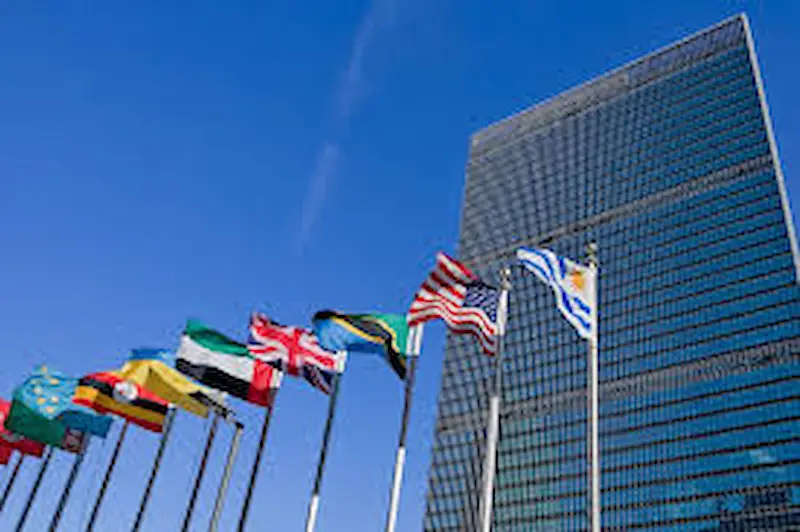
International organizations are central to global coordination. The United Nations, World Trade Organization, World Health Organization, and regional alliances like ASEAN and the EU influence policy, peacekeeping, trade, and humanitarian efforts.
World politics analysis evaluates:
- The effectiveness of these organizations
- Their role in conflict resolution and peacebuilding
- How nations use these institutions to advance their interests
For example, the UN’s peacekeeping missions in conflict zones aim to stabilize regions, while the WTO mediates trade disputes among member nations.
Ideology, Media, and Public Opinion
Ideology and public perception play a major role in shaping world politics. Political systems, cultural norms, and media narratives influence how countries interact. Analysts study:
- How political ideologies shape foreign policies
- The impact of public opinion on elections and diplomatic decisions
- The role of media and digital platforms in shaping global perceptions
For instance, media coverage can influence international reactions to conflicts, sanctions, or humanitarian crises. World politics analysis helps contextualize these effects.
Challenges in World Politics Analysis
Analyzing global politics is challenging due to:
- Political bias in reporting
- Rapidly changing situations
- Limited access to accurate information in conflict zones
- Misinformation and propaganda
Despite these challenges, careful, evidence-based analysis is critical for understanding global affairs and making informed decisions.
Conclusion
World politics analysis provides deep insights into international diplomacy, power dynamics, economic strategies, and security challenges. It explains how nations compete, cooperate, and respond to global issues in an interconnected world. By following world politics analysis, individuals, policymakers, and businesses can gain a nuanced understanding of international events, anticipate global trends, and make informed decisions in an increasingly complex world.
Frequently Asked Questions (FAQs)
1. What is world politics analysis?
World politics analysis studies international relations, power dynamics, diplomatic strategies, and global political developments to explain how nations interact and influence each other.
2. Why is world politics analysis important?
It is important because it helps governments, businesses, and individuals understand international policies, predict global trends, and make informed decisions about trade, security, and diplomacy.
3. Who should follow world politics analysis?
Students, policymakers, researchers, journalists, and anyone interested in global affairs should follow world politics analysis to stay informed cabout international developments.
4. How often does world politics analysis change?
World politics analysis evolves continuously as political events, diplomatic negotiations, economic policies, and global conflicts unfold.
5. How does world politicxs analysis affect daily life?
Decisions in global politics can influence trade, energy prices, security, international travel, and foreign policy, all of which impact citizens worldwide.